








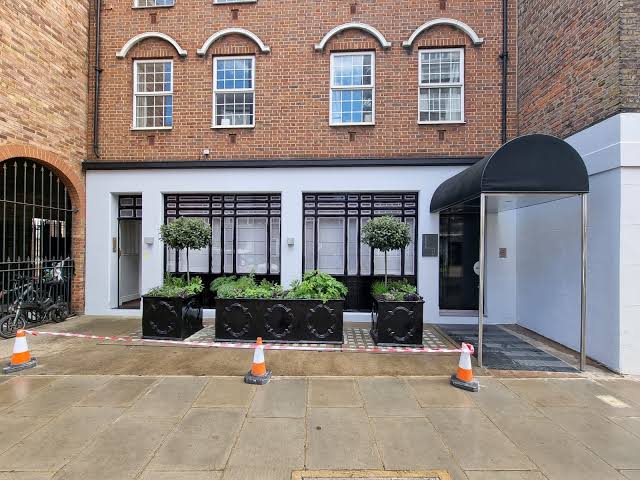
For a homeowner in London, the exterior of your property is more than just a visual statement; it is the primary shield against one of the most unpredictable climates in the world. Whether you own a classic Victorian terrace in Chelsea, a grand Edwardian semi-detached in Highgate, or a modern development in Canary Wharf, the facade of your home is under constant siege from rain, wind, fluctuating temperatures, and urban pollution.
Refreshing your home’s exterior is not merely an aesthetic choice—it is a vital maintenance task that preserves the structural integrity and value of your investment. This guide explores the “wide spectrum” of exterior painting, from the science of weather protection to the nuances of London’s unique architectural heritage.
The London Climate: Why Your Home Needs Protection
London’s weather is famous for its dampness and variability. While we may not face the extreme snow of the North, we deal with high humidity, frequent light drizzle, and “freeze-thaw” cycles.
- Moisture Ingress: When paint cracks or peels, water finds its way into the brickwork or timber. During winter, this water freezes and expands, causing “spelling” (where the face of the brick breaks off) or wood rot.
- Urban Pollution: London’s air contains soot and pollutants that can chemically react with traditional lime mortars and certain types of paint, leading to staining and degradation.
- UV Damage: Even on cloudy days, UV rays break down the chemical bonds in paint, causing colours to fade and surfaces to become “chalky” and brittle.
A high-quality exterior paint job acts as a breathable, waterproof “skin” that allows the house to release internal moisture while blocking external rain.
Timing Your Project: The London Window
Timing is everything when it comes to exterior decorating. In London, the ideal window typically runs from late April to September.
- Temperature: Paint requires specific temperatures to cure (usually above 10°C). If it’s too cold, the paint won’t bond; if it’s too hot (rare, but possible in July), the paint dries too fast, leading to brush marks.
- Humidity: High humidity prevents moisture from evaporating out of the paint, leading to a “tacky” finish that attracts dust and insects.
- The “Morning Dew” Factor: Professional decorators often wait until the mid-morning sun has evaporated the overnight dew before starting, ensuring the surface is bone-dry.
Preparation: The 70/30 Rule
In the world of professional decorating, 70% of the work is preparation, and only 30% is applying the paint. If you skip the prep, even the most expensive paint will fail within two years.
1. Cleaning: Removing dirt, algae, and “London soot” is the first step. This often involves a fungicidal wash to kill mould spores that might be hiding in porous masonry.
2. Scraping and Sanding: All loose, flaking paint must be removed. For older London homes, this requires care, as many layers of lead-based paint may exist from decades past.
3. Repairing Masonry: Cracks should be “raked out” and filled with a flexible, exterior-grade filler. Traditional lime mortar should be used for older brickwork to maintain breathability.
4. Sash Windows and Timber: London is famous for its sash windows. These must be sanded down to the raw wood where necessary, primed with a preservative, and then built up with undercoats.
Choosing the Right Materials
Not all paints are created equal. For London properties, you must choose a product suited to the substrate (the material of your walls).
- Masonry Paints: Modern “microporous” acrylic paints are excellent. They are water-resistant but allow water vapour to escape from the house.
- Silicate Paints: Ideal for historic London buildings. They form a chemical bond with the stone or brick and can last for 20–30 years.
- Gloss vs. Satin for Woodwork: While high-gloss was the traditional choice for London front doors, many homeowners are now opting for exterior eggshell or satin finishes for a more contemporary, muted look.
Navigating Colour and Heritage
London’s streets are often governed by “Conservation Area” rules. If you live in a protected borough like Kensington & Chelsea or Westminster, you may be restricted in your colour choices.
- The Classic London Look: Stucco fronts are traditionally painted in “London Stock” cream, off-whites, or “Portland Stone” hues.
- The Modern Twist: Deep navy, slate grey, and even forest green have become popular for front doors and window frames, providing a sharp contrast against red-brick facades.
Professional Insight: Co-working with TM Decorating
Exterior painting is a monumental task that requires scaffolding, specialist tools, and a deep understanding of material science. This is why most London homeowners choose to partner with professionals.
If you are looking for more than just a “lick of paint,” we highly recommend consulting with the team at TM Decorating. With over 20 years of experience specifically serving the London area, they bring a level of expertise that only comes from two decades of facing the London elements.
When you work with TM Decorating, you aren’t just hiring painters; you are hiring consultants. They provide full-scale information on the current state of your property’s “envelope.” They can identify potential damp issues before they become expensive repairs, and advise on the specific types of weather-shielding products that will survive the London soot and rain. Their long-standing presence in the industry means they understand the nuances of Victorian and Edwardian architecture—ensuring that your home’s character is preserved while its protection is modernized.
FAQ: Everything You Need to Know About Exterior Painting
1. How often should I paint the exterior of my London home?
Typically, every 5 to 7 years. However, this depends on the exposure of your property. South-facing walls endure more UV damage, while properties near busy roads may need more frequent cleaning and painting due to pollution buildup.
2. Can you paint exterior walls in the winter?
It is not recommended. While some “all-weather” paints exist, the high humidity and risk of frost in London between November and March make it difficult for paint to bond correctly, often leading to premature peeling.
3. What is “microporous” paint, and why do I need it?
Microporous paint has tiny pores that are large enough to let water vapour (gas) out but too small to let liquid water (rain) in. This is vital for older London homes to prevent “blown” plaster and damp inside the house.
4. How do I know if my exterior wood is rotten or just needs painting?
Try the “screwdriver test.” Press a screwdriver into the wood. If it feels soft or sinks in easily, the wood has rot. TM Decorating can often repair minor rot with resin fillers, but severe rot may require a joiner to replace sections of the timber.
5. Do I need scaffolding for a two-story terrace?
In almost all cases, yes. To achieve a professional finish and ensure the safety of the decorators, scaffolding is necessary. It allows for a thorough inspection of gutters and high-level masonry that ladders simply cannot reach safely.
6. Why is my exterior paint bubbling?
Bubbling (or blistering) usually happens because of “solvent entrapment” or moisture. If the wall was damp when painted, or if the sun hit the wet paint too hard, the moisture gets trapped and tries to escape, pushing the paint film away from the wall.
7. Is it worth paying more for “Self-Cleaning” paint?
For London properties near main roads, “Self-Cleaning” or “Photocatalytic” paints can be a great investment. These paints use nanotechnology to break down organic dirt when exposed to sunlight, which is then washed away by the rain, keeping your home looking fresh for longer.
Ready to protect and refresh your home? Don’t leave it to chance. Contact the experts at TM Decorating to leverage 20 years of London-specific experience and give your property the finish it deserves.