









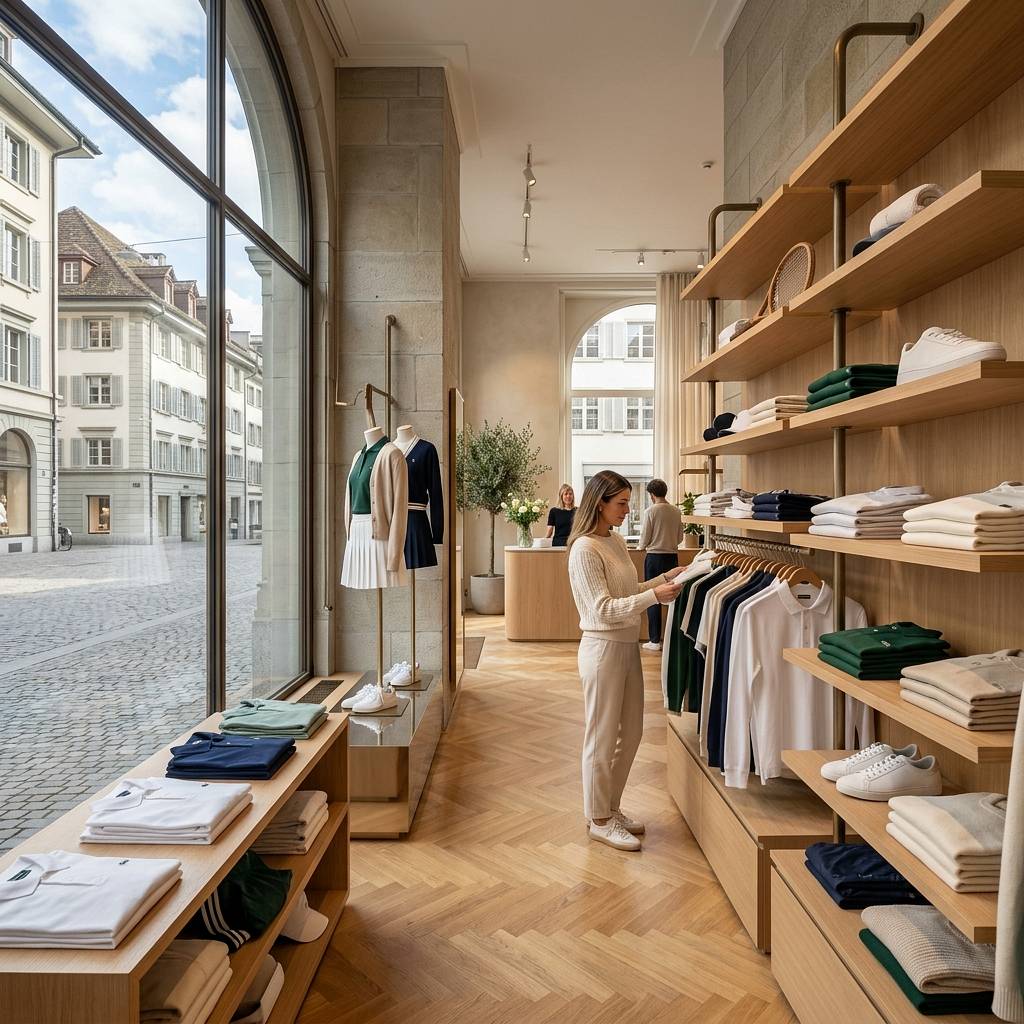
London’s independent fashion retail scene has long operated as a reliable bellwether for emerging wholesale sourcing trends. When a category of brand starts appearing consistently across unrelated boutiques in different parts of the city – Shoreditch, Notting Hill, Marylebone – it is usually because a structural shift in access has made it commercially viable for independents to stock those brands. That shift is currently underway in the sporty-luxury category, with retailers finding ways to access Lacoste wholesale clothing and comparable European heritage sport-fashion labels through channels that did not exist four years ago.
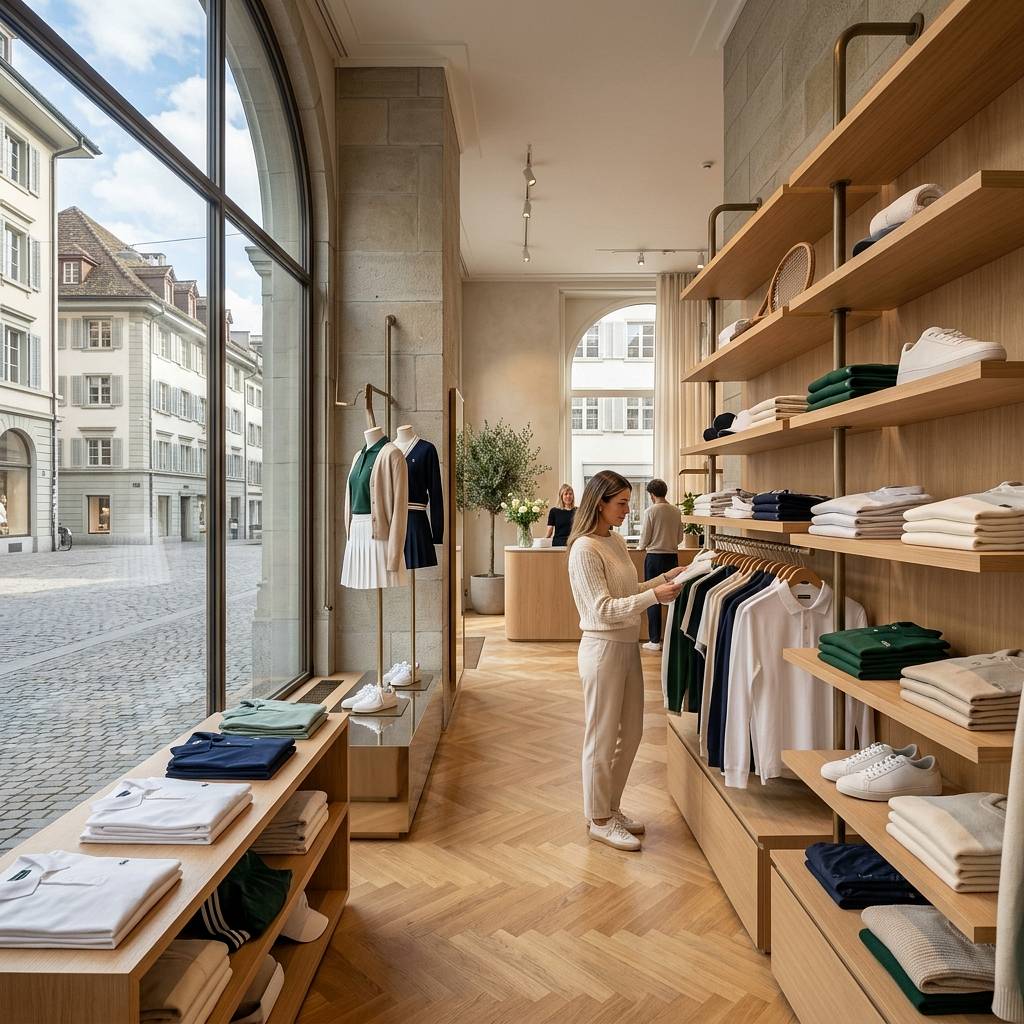
How London Boutiques Are Sourcing Lacoste and the New Wave of Sporty-Luxury Fashion
London’s independent fashion retail scene has long operated as a reliable bellwether for emerging wholesale sourcing trends. When a category of brand starts appearing consistently across unrelated boutiques in different parts of the city – Shoreditch, Notting Hill, Marylebone – it is usually because a structural shift in access has made it commercially viable for independents to stock those brands. That shift is currently underway in the sporty-luxury category, with retailers finding ways to access Lacoste wholesale clothing and comparable European heritage sport-fashion labels through channels that did not exist four years ago.
The Sporty-Luxury Category and Why it Matters for London Independents
“Sporty-luxury” is a useful shorthand for a specific aesthetic territory: brands with roots in sport or leisure that have evolved into lifestyle and fashion credentials without losing their technical or heritage associations. Lacoste is the archetype – a brand founded in tennis, adopted by London subcultures in the 1980s, and now occupying a genuine premium positioning that is distinct from both high fashion and mass sportswear.
The commercial profile of this category is attractive for independent retailers. The customer base spans demographics – from heritage brand loyalists to streetwear-adjacent younger buyers discovering the aesthetic through cultural references. Price points are premium without being intimidating. Sell-through on core styles is consistent enough to support repeat buying decisions. And the aesthetic has enough currency to justify a boutique’s space allocation without requiring aggressive markdown markdown cycles.
The difficulty has been access. Heritage sport-fashion brands are selective about their wholesale distribution, prioritising flagship and authorized partners, and controlling who can represent the brand at retail.
The Wholesale Infrastructure Underneath the Boutique Economy
What has changed in the past several years is the wholesale infrastructure available to smaller operators. Private B2B wholesale platforms – verified, curated marketplaces connecting authenticated brand surplus with trade buyers – have created a channel through which brands’ excess seasonal inventory reaches independent retailers without requiring formal authorized retailer status.
The supply exists because even selective brands overproduce. When a heritage sport-fashion label produces 30,000 polo shirts against forecast demand that materializes at 24,000, the 6,000-unit surplus needs to move. The brand’s interest is in moving it discreetly, to appropriate buyers, at prices that recover meaningful value without creating a visible brand-discount association in their primary markets.
Private platforms address all three requirements simultaneously: buyer verification ensures stock reaches legitimate trade buyers, geo-blocking allows the brand to exclude its active distribution markets, and anonymous listing architecture removes the public association between the brand and the off-price transaction. Unfrosen is one of the European platforms operating on this model – connecting verified suppliers of authenticated sportswear and lifestyle brand surplus with a network of vetted independent retailers across multiple markets.
What London Boutiques Are Doing With This Access
The boutiques in London finding the most commercial traction with private B2B sourcing are those using it strategically alongside – not instead of – any official distribution relationships they have.
A typical approach: maintain a formal brand relationship (where one exists) for new-season hero pieces that communicate brand relevance and fashion authority. Use verified off-price platform access for fill-in stock, proven seller styles, and complementary categories where the cost advantage funds the overall buying budget.
The margin created by buying a portion of inventory at platform pricing – 20-30% of retail rather than 45-50% – is significant at boutique scale. An independent doing £400,000 in annual revenue that sources 35% of its inventory through verified off-price channels is generating meaningfully more gross profit per pound of revenue than one buying entirely through official wholesale.
The Authentication Question in Sporty-Luxury
A specific concern for sporty-luxury wholesale is counterfeit risk. The category is the subject of significant counterfeit production – replica polo shirts, fake heritage trainers, imitation lifestyle accessories are all documented problems in unverified secondary markets.
The answer, for buyers who need it, is channel discipline. Verified private platforms that require documented supplier credentials – brand authorization, distributor relationship evidence, or direct import documentation – create a chain-of-custody safeguard that eliminates the counterfeit exposure of open markets. The verification happens at the platform level; the buyer’s due diligence is in choosing the right channel, not in authenticating every individual purchase.
For London boutiques and independent retailers targeting the sporty-luxury customer, verified private B2B platforms like Unfrosen have materially changed the commercial feasibility of stocking European heritage sport-fashion brands at margins that make the business work.