








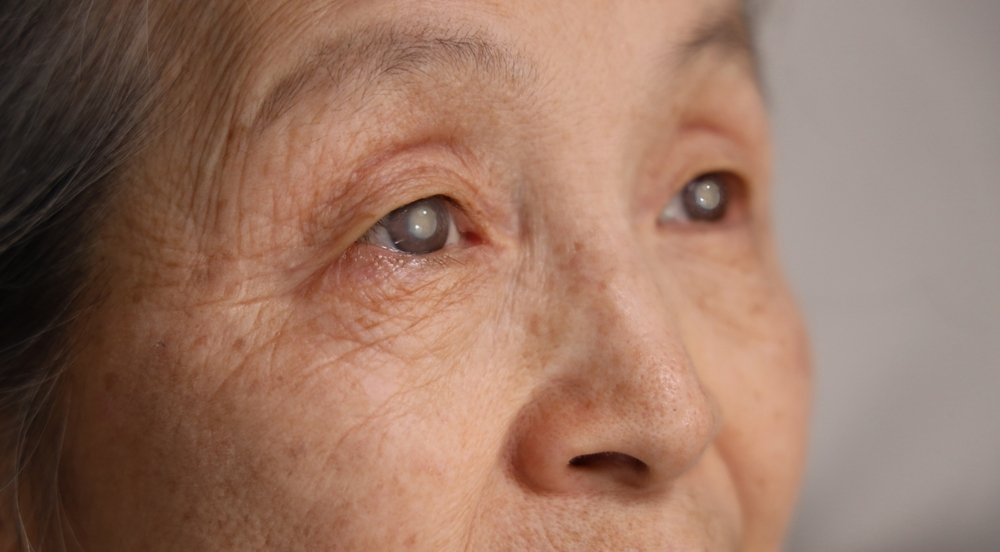
Cataracts are often described as a “clouding of the lens,” but that phrase doesn’t fully capture what older adults actually experience. For many seniors, cataracts feel less like a sudden blur and more like the world slowly losing sharpness, brightness, and contrast. Faces become harder to recognize from a distance, steps seem less defined, and reading takes more effort even with updated glasses.
In geriatric medicine, these changes matter because vision is directly tied to safety, independence, and confidence. As cataracts progress, they can increase fall risk, reduce mobility, and make everyday tasks—like cooking, managing medications, and walking outdoors—more difficult. That’s why symptom awareness is a core part of early support and timely care.
If you’re exploring senior-focused cataract guidance, Liv Hospital provides resources designed around both eye health and functional well-being—because in older adults, the “condition” is not just what’s happening in the lens, but what’s happening in day-to-day life.
Cataracts in Seniors: The Symptoms Often Start Quietly
Unlike infections or injuries, cataracts typically develop over years. Many older adults adapt without realizing it—brighter bulbs, squinting more, avoiding night driving—until a family member points out that something has changed.
Common early symptoms include:
- Soft or foggy vision that feels like looking through haze
- Reduced contrast, making it harder to see edges, curbs, or steps
- Colors losing intensity, especially whites turning yellowish
- Glare sensitivity, especially from oncoming headlights or strong indoor lighting
- Frequent eyeglass prescription changes with limited improvement
One reason cataracts are often missed early is that seniors may assume these changes are “normal aging.” Occasional vision changes can happen with age, but cataracts tend to create a steady, progressive decline that begins to interfere with routine activities.
The “Condition” Side: How Cataracts Affect Daily Life in Older Adults
In geriatrics, symptoms aren’t judged only by what an eye chart shows—they’re judged by what the person can still do comfortably and safely.
Cataracts often affect seniors in very practical ways:
Mobility and balance challenges
When vision loses clarity and depth perception, walking becomes less secure. Seniors may start shuffling, avoiding stairs, or hesitating outdoors—especially in dim lighting.
Loss of confidence in night environments
Dim conditions make cataract symptoms much worse. Night driving can become unsafe, and even walking to the bathroom at night can feel risky if the home isn’t well-lit.
Reading and medication management difficulty
Small print on pill bottles, instructions, and labels can become frustrating. This matters because medication errors are a serious risk in older adults.
Social withdrawal
When faces look blurry or glare feels overwhelming, seniors may avoid gatherings, feel embarrassed, or stop engaging in hobbies they once enjoyed.
In other words, cataracts are not just an eye issue—they can quietly reshape a senior’s lifestyle.
Cataract Symptom Patterns: What Your Symptoms Might Suggest
Different cataracts develop in different areas of the lens, and that can influence what a person notices first.
1) Night driving gets worse before daytime vision does
This often happens when glare sensitivity and contrast reduction show up early. Seniors may describe headlights as “starbursts” or feel temporarily blinded when lights pass.
2) Reading becomes hard even with new glasses
This can happen when the lens clouding reduces sharpness and contrast. A person may hold books closer, tilt toward light, or complain that words “fade.”
3) The world looks dull, yellow, or less vibrant
A classic cataract experience is noticing that colors lose their brightness—sometimes family members notice it before the patient does.
These patterns don’t replace an exam, but they’re useful clues that an eye check should move higher on the priority list.
Cataracts in Children vs. Seniors: Why “Urgency” Looks Different
The page you shared mentions warning signs in children—and that’s important because pediatric cataracts can disrupt vision development. In older adults, cataracts are usually slower and less urgent unless they suddenly come with pain, redness, swelling, or rapid vision loss.
For seniors, a “call an eye specialist quickly” situation includes:
- Sudden major change in vision
- Eye pain, redness, or swelling
- New flashes, floaters, or a curtain-like shadow (can signal other eye emergencies)
- Severe headaches with vision disturbance
These symptoms may not be cataracts alone, and they should never be ignored.
Who Is More Likely to Develop Cataracts?
Age is the biggest risk factor, but geriatric care looks at the full picture—health conditions, medications, and long-term exposure patterns.
Common cataract risk factors in older adults include:
- Long-term UV exposure (years of sunlight without protection)
- Diabetes and poorly controlled blood sugar
- Smoking history
- Steroid medication use over long periods
- Past eye trauma or surgery
- Family history
Knowing risk factors helps families prioritize screening—especially when subtle symptoms are easy to dismiss.
A Practical Checklist: When Cataracts Move From “Annoying” to “Limiting”
It may be time to discuss next steps when any of these are true:
- You avoid night driving or feel unsafe doing it
- You need brighter and brighter light to read
- You struggle to recognize faces across a room
- You feel less steady on steps or uneven ground
- Your glasses prescription changes often without clear benefit
These signs don’t mean you need surgery immediately—but they do suggest it’s time for an evaluation and a plan.
For a more detailed resource focused on the senior experience, GERIATRICS Cataract Symptoms and Conditions can be a useful starting point—especially if you’re trying to connect symptoms with real-life impact.
Supporting Cataract Care With Lifestyle Habits
Even though cataracts often progress with age, small habits can help protect overall eye health—especially when combined with routine check-ups:
- Wear UV-blocking sunglasses outdoors
- Manage blood sugar and blood pressure
- Eat a nutrient-dense diet with colorful vegetables
- Avoid smoking and limit alcohol
- Keep the home well-lit to reduce fall risk while vision is changing
And if you want ideas that fit into daily routines—like simple movement, sleep habits, and nutrition practices for long-term vitality—the lifestyle guidance on live and feel can complement medical care nicely (especially when the focus is staying active and steady while vision is being evaluated).