








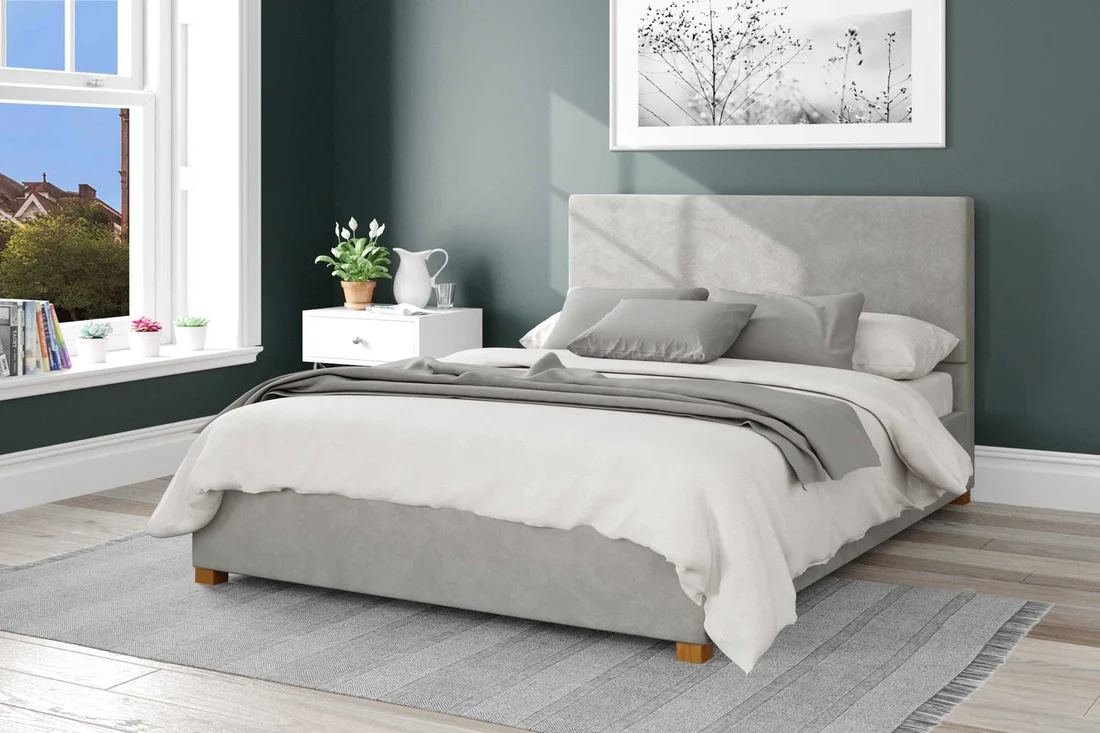
Grey beds provide one of the most flexible foundations in bedroom design because grey functions as a neutral colour that pairs well with both warm and cool furniture tones. Choosing bedside tables in wood, white, black, or muted colours helps balance the space while adding warmth, contrast, or texture to the room.
Although grey bedding or upholstery often looks effortlessly stylish, the bedside tables you place beside it can dramatically influence the overall feel of the bedroom. The right combination can make a space feel warm and inviting, while the wrong one can leave the room looking flat or overly monochrome.
Understanding how colour, undertones, and materials interact with grey is the key to choosing bedside tables that enhance the room rather than compete with it.
Which bedside table colours complement a grey bed?
Bedside tables that complement a grey bed usually include natural wood tones, white finishes, black furniture, or muted accent colours because these options provide contrast while maintaining visual balance in the bedroom.
Several colour choices consistently work well with grey beds.
Natural wood tones
Oak, walnut, and ash add warmth that prevents grey from feeling cold or overly modern. Light oak creates a Scandinavian feel, while darker walnut adds a more traditional or luxurious atmosphere.
White bedside tables
White furniture works with nearly every shade of grey. The contrast reflects light and helps keep the bedroom feeling fresh and spacious.
Black bedside tables
Black furniture creates strong contrast against light grey beds and works particularly well in modern or minimalist bedrooms.
Soft colour accents
Muted colours such as sage green, blush pink, or navy blue can add subtle personality without overwhelming the neutral palette.
These combinations help maintain the calming atmosphere that grey bedrooms often aim to achieve.
How do grey undertones affect bedside table choices?
Grey beds contain either warm or cool undertones, and recognising these undertones helps determine which bedside table colours will look most cohesive in the room.
Different greys respond differently to furniture finishes.
Cool grey beds
Cool greys pair well with crisp white, black, silver, and light woods such as birch or ash.
Warm grey beds
Warm greys look better with honey-toned woods, walnut finishes, creams, and soft earthy colours.
Charcoal grey beds
Very dark grey beds benefit from lighter furniture pieces such as pale wood or white bedside tables to prevent the room from feeling heavy.
Interior designers often test undertones by observing the grey fabric in both natural daylight and evening lighting conditions.
Colour pairing strategies are commonly discussed in principles of colour theory, where neutral tones interact with complementary materials and finishes.
Should bedside tables match the bed colour?
Bedside tables do not need to match the exact colour of a grey bed because contrast usually produces a more balanced and visually interesting bedroom layout.
Matching furniture can sometimes make the room feel flat.
Instead, designers typically aim for contrast through materials, finishes, or colour depth.
Examples include:
Light wood tables beside a charcoal grey bed
Dark walnut tables beside a pale grey upholstered frame
White tables beside medium grey bedding
This layered approach helps create depth while maintaining a cohesive colour palette.
What materials work best with grey beds?
Wood, metal, and painted furniture surfaces work particularly well beside grey beds because these materials introduce texture and visual variation into the bedroom.
Common material pairings include:
Solid wood
Natural materials such as oak, walnut, or pine add warmth and organic texture.
Metal accents
Brushed brass or black metal legs can add modern contrast without overwhelming the neutral palette.
Painted finishes
Muted painted tables in colours like sage green or navy blue introduce subtle personality.
Bedroom furniture collections that combine natural wood textures with neutral tones can be explored through curated ranges at Petalwood Interiors, where classic solid wood bedside tables demonstrate how warm materials balance grey bedroom palettes.
How can bedside tables make a grey bedroom feel warmer?
Bedside tables can add warmth to a grey bedroom when they introduce natural materials, warmer wood tones, and layered textures that soften the coolness of grey upholstery.
Several simple design choices help achieve this effect.
Choose natural wood finishes
Oak, walnut, and pine add warmth that offsets cool grey tones.
Add layered textures
Wood grain, woven lampshades, or ceramic décor create visual interest.
Use warm lighting
Bedroom lighting around 2700K colour temperature produces a soft glow that enhances warm materials.
Lighting design recommendations often follow guidance discussed in lighting design principles.
How should bedside tables be styled in a grey bedroom?
Styling bedside tables effectively involves balancing decorative elements with practical items while maintaining different object heights to create visual movement.
Interior designers often follow a simple three-element arrangement.
Start with a bedside lamp as the tallest object.
Add a medium-height element such as a small plant or framed photograph.
Finish with a low item such as a book stack, jewellery dish, or decorative tray.
This approach creates visual balance without overcrowding the surface.
Maintaining easy access to everyday items remains the most important consideration.
Final Thoughts
Grey beds remain popular because they work with a wide range of colours and materials.
The best bedside tables usually introduce contrast, warmth, or texture rather than attempting to match the exact grey tone of the bed.
Natural wood finishes, crisp white furniture, and muted accent colours consistently create balanced bedroom designs. When chosen thoughtfully, bedside tables can transform a grey bedroom from neutral and understated into a space that feels warm, cohesive, and carefully styled.