









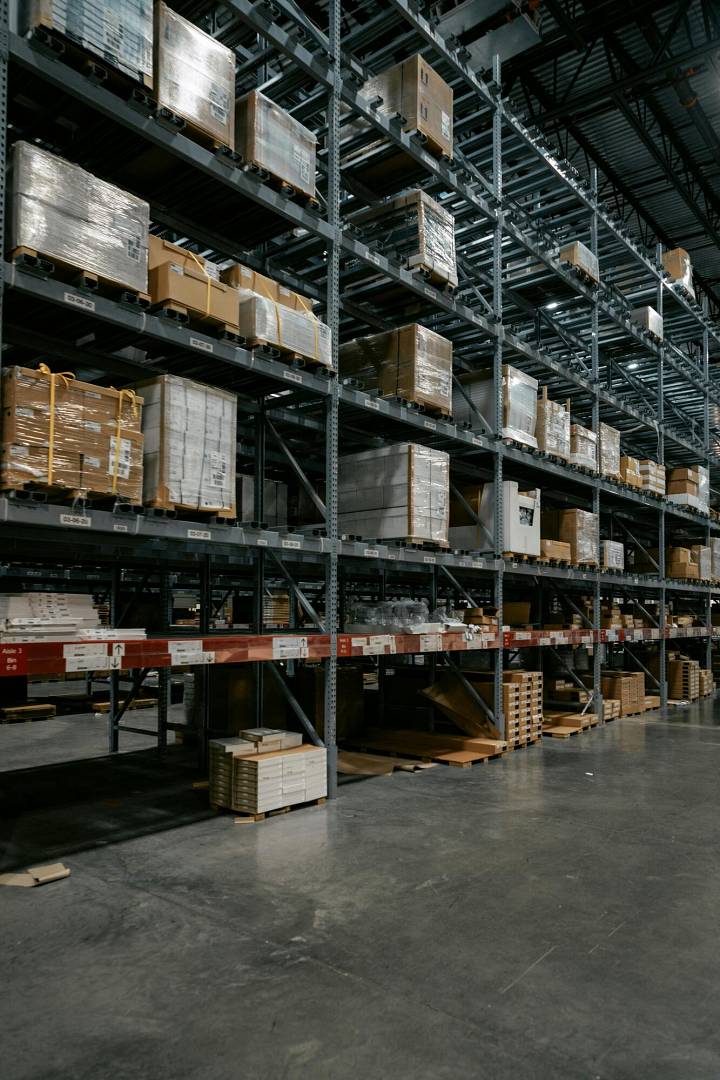
For warehouse based businesses, racking is more than a storage solution. It influences how quickly orders are fulfilled, how safely staff can work, and how efficiently space is used. Poor racking layouts often create hidden costs through longer travel times, product damage, and ongoing adjustments that could have been avoided with better planning.
Designing Racking Around Daily Operations
Every warehouse has its own operating pattern. Some focus on full pallet movements, others handle split pallets or individual items. Rack design should reflect these realities. If the majority of work involves picking at ground level, access and visibility become more important than high density storage. When pallet movements dominate, aisle widths and load capacities take priority.
Understanding Pallet Types and Load Weights
Pallet racking must be designed around the pallets actually used on site. Differences in pallet size, condition, and load weight affect beam selection and upright spacing. Designing for average loads rather than maximum weights can create safety risks, while over specifying can lead to unnecessary cost. Accurate load data supports safer and more efficient racking layouts.
The Impact of Racking on Forklift Routes
Racking layouts shape how forklift trucks move through the warehouse. Poorly positioned aisles can force trucks to reverse frequently or take longer routes, increasing the risk of collisions. Clear travel paths and consistent aisle widths support smoother movement and reduce operator fatigue over long shifts.
Fire Safety and Regulatory Considerations
UK fire safety regulations can influence racking height, aisle spacing, and sprinkler performance. Rack design should allow fire suppression systems to work as intended and provide clear access for inspections. Addressing these requirements during the design stage helps avoid later changes that disrupt operations.
Planning for Changes in Stock Profiles
Many businesses experience changes in product size, packaging, or order volumes over time. Racking systems that allow beam adjustment or phased expansion are better suited to these changes. This flexibility reduces the likelihood of sections becoming unusable as stock profiles evolve.
The Value of Professional Design Input
A considered approach to pallet racking design takes into account operational flow, safety requirements, and future growth. When these factors are addressed together, warehouse businesses are better positioned to improve productivity while maintaining a safe and compliant working environment.