









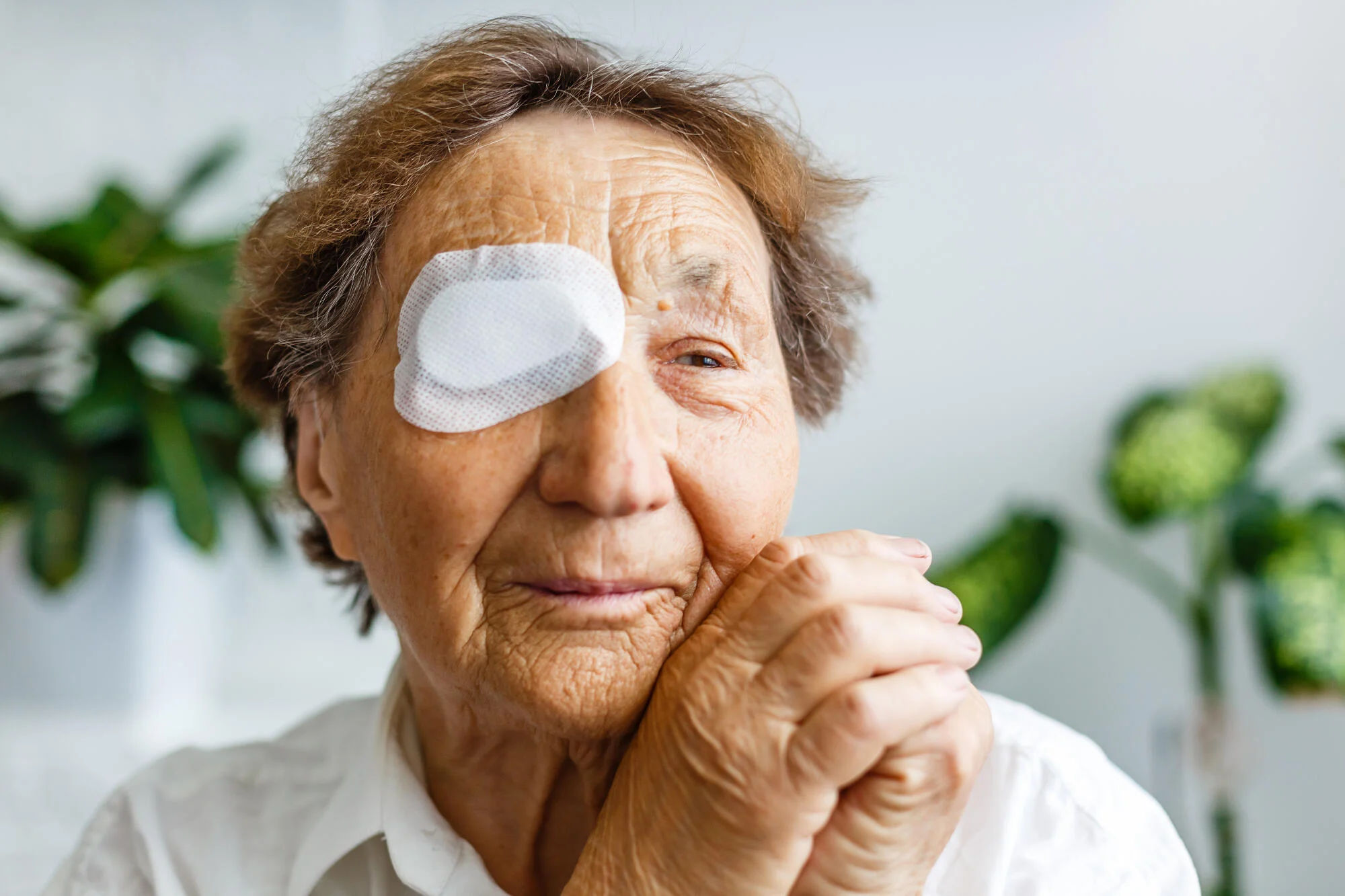
Cataracts remain one of the most common age-related eye conditions, but their development is not entirely unavoidable. In geriatric care, wellness and prevention focus on preserving visual clarity for as long as possible by supporting eye health, managing systemic conditions, and reducing cumulative damage to the lens over time. Cataract prevention is less about stopping aging and more about slowing the biological processes that cloud vision.
At advanced care centers such as Liv Hospital, cataract wellness is approached as part of overall healthy aging, recognizing that eye health is closely linked to metabolic balance, vascular health, and daily lifestyle choices.
Understanding Cataracts in the Context of Aging
A cataract forms when the eye’s natural lens gradually loses its transparency. Over many years, proteins within the lens clump together, scattering light and reducing sharpness and contrast. While aging is the strongest risk factor, the speed at which this clouding develops varies widely from person to person.
In geriatrics, cataracts are viewed as a long-term outcome of cumulative stress on the lens rather than a sudden condition. This perspective allows prevention strategies to begin early, often decades before surgery becomes necessary.
Wellness Habits That Support Long-Term Eye Health
Daily habits play a meaningful role in how quickly lens changes progress. Cataract wellness emphasizes consistency rather than extreme interventions.
Key preventive habits include maintaining stable blood sugar levels, supporting cardiovascular health, and avoiding environmental exposures that accelerate oxidative damage. Regular hydration, balanced nutrition, and physical activity all contribute indirectly by improving circulation and nutrient delivery to the eyes.
The Role of Metabolic and Vascular Health
Cataract risk rises significantly in older adults with chronic conditions such as diabetes, hypertension, and obesity. Elevated blood glucose alters lens metabolism, while vascular disease limits oxygen delivery to eye tissues.
From a geriatric perspective, cataract prevention often begins with managing these systemic conditions. Controlling blood sugar, maintaining healthy cholesterol levels, and keeping blood pressure within target ranges can meaningfully slow lens aging and reduce visual decline.
Light Exposure and Lens Protection
One of the most underestimated contributors to cataract formation is long-term exposure to ultraviolet (UV) radiation. Sunlight causes cumulative oxidative stress within the lens, accelerating protein damage.
Protective habits such as wearing UV-blocking sunglasses, wide-brimmed hats, and avoiding prolonged midday sun exposure are simple but powerful preventive tools. In geriatric eye care, these measures are considered lifelong investments rather than short-term fixes.
Nutrition as a Preventive Strategy
The aging lens depends heavily on antioxidant defenses to remain clear. Diets rich in fruits, vegetables, and healthy fats provide compounds that neutralize free radicals before they damage lens proteins.
Nutrients commonly associated with cataract prevention include vitamin C, vitamin E, lutein, zeaxanthin, and omega-3 fatty acids. Rather than focusing on supplements alone, geriatric wellness prioritizes whole foods that deliver these nutrients consistently over time.
Physical Activity and Eye Wellness
Regular physical activity supports eye health by improving circulation, regulating metabolism, and reducing inflammation. Exercise also lowers the risk of systemic conditions that accelerate cataract development.
For older adults, cataract prevention does not require intense workouts. Walking, swimming, gentle strength training, and balance-focused activities support both visual wellness and overall independence.
Preventive Screening and Ongoing Monitoring
Wellness-focused cataract care includes routine eye examinations, even when vision changes feel minor. Cataracts often progress slowly, and early lens changes may not be noticeable without professional evaluation.
Regular screening allows eye specialists to track subtle changes, adjust preventive guidance, and plan intervention at the optimal time rather than reacting to sudden vision loss. This proactive mindset is central to GERIATRICS Cataract Wellness and Prevention strategies.
Life After Cataract Surgery: Ongoing Prevention Still Matters
Even after cataract surgery, wellness remains important. While the artificial lens cannot develop a cataract, surrounding eye structures remain vulnerable to age-related conditions such as glaucoma, macular degeneration, and retinal disease.
Continued preventive care, healthy routines, and regular eye exams help preserve vision quality long after surgery and support long-term visual independence.
Integrating Eye Wellness into Daily Living
Cataract prevention works best when it blends naturally into everyday life rather than feeling like a medical task. Simple routines—consistent sleep, stress management, outdoor protection, and mindful nutrition—create an environment where the eyes age more slowly.
For individuals looking to align medical eye care with broader lifestyle habits that support aging well, platforms such as live and feel offer complementary perspectives on wellness-focused living that extend beyond the clinic.