









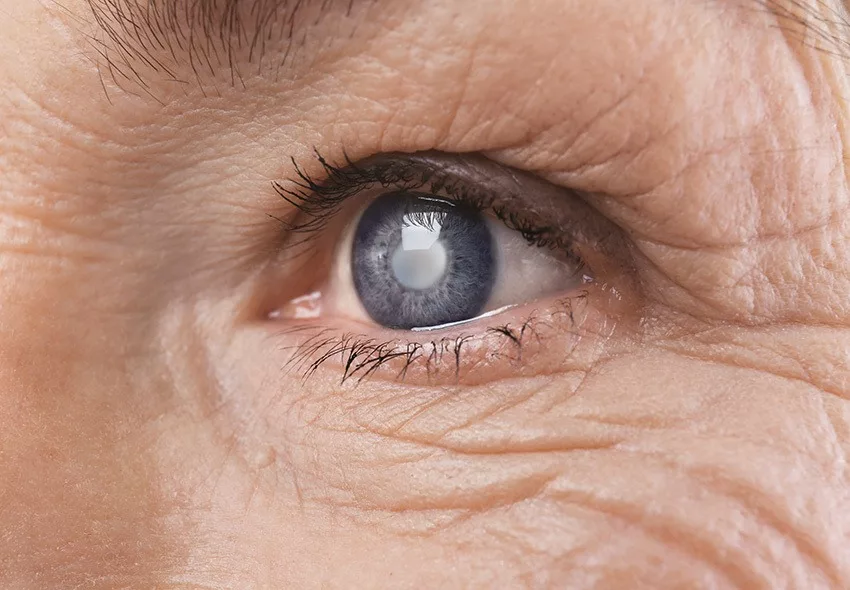
Cataracts are one of the most common age-related eye conditions, but in geriatric care, they are rarely viewed as an isolated eye issue. Changes in vision affect balance, independence, confidence, and overall safety—especially in older adults. Understanding cataract symptoms early allows families and clinicians to act before vision loss begins to interfere with daily living.
At specialist centers such as Liv Hospital, cataract symptoms are assessed not only by how cloudy the lens looks, but by how those changes influence a senior’s ability to function comfortably in everyday environments.
How Cataracts Change Vision Over Time
Cataracts develop gradually. Because the progression is slow, many older adults adapt without realizing how much their vision has declined. Instead of sudden blindness, cataracts often cause subtle but persistent changes that worsen over months or years.
Typical vision-related changes include:
- A general lack of sharpness, even with glasses
- Difficulty distinguishing edges, steps, or curbs
- Reduced ability to adjust between bright and dim light
- A sensation that vision is “washed out” or dull
- Increased eye fatigue during reading or screen use
These symptoms are often mistaken for normal aging, which can delay proper evaluation and care.
Functional Symptoms That Matter in Geriatric Care
In geriatrics, cataract symptoms are closely linked to functional decline. Doctors pay attention to how vision problems affect routine activities, not just eye chart scores.
Common functional challenges caused by cataracts include:
Increased fall risk
Poor contrast sensitivity and depth perception make it harder to judge distances, especially on stairs or uneven ground.
Loss of confidence outdoors
Many seniors stop going out alone because sunlight glare or low-light conditions feel overwhelming.
Medication and household task errors
Blurred vision can make it difficult to read labels, instructions, or appliance settings accurately.
Social withdrawal
When faces are hard to recognize or eye strain becomes constant, older adults may avoid social interactions and hobbies.
These functional symptoms are key indicators that cataracts are affecting quality of life.
Differences in Cataract Symptoms Between Seniors and Children
While cataracts are most common in older adults, symptoms present very differently across age groups.
- In children, cataracts can disrupt visual development and require urgent attention. Signs often include abnormal eye movements or visible cloudiness.
- In older adults, cataracts usually progress slowly and painlessly, making symptoms easier to overlook.
For seniors, urgency increases when vision changes begin to limit independence rather than when discomfort appears.
When Cataract Symptoms Need Prompt Evaluation
Although age-related cataracts are rarely emergencies, certain symptoms should never be ignored at any age:
- Sudden or rapid vision loss
- Eye pain, redness, or swelling
- New flashes of light or dark shadows
- Severe headaches accompanied by vision changes
These signs may point to conditions beyond cataracts and require immediate medical assessment.
Who Is More Likely to Experience Cataract-Related Symptoms?
Age remains the strongest risk factor, but several health and lifestyle factors influence how early symptoms appear and how fast they progress:
- Long-term sun exposure without UV protection
- Diabetes or poorly controlled blood sugar
- Smoking history
- Extended use of steroid medications
- Previous eye injuries or surgeries
Understanding these risks helps prioritize screening before symptoms become disabling.
Recognizing the Right Time for Action
A helpful way to assess cataract impact is to ask simple questions:
- Has night driving become uncomfortable or unsafe?
- Do brighter lights no longer improve reading clarity?
- Are colors noticeably less vibrant than before?
- Is vision affecting balance or confidence when walking?
If the answer to any of these is yes, a focused eye evaluation is recommended. Resources such as GERIATRICS Cataract Symptoms and Conditions are designed to help patients and families connect symptoms with appropriate next steps.
Supporting Eye Health Alongside Medical Care
While cataracts cannot be reversed with lifestyle changes alone, healthy habits can support overall eye function and slow progression:
- Consistent use of UV-blocking sunglasses
- Balanced nutrition rich in antioxidants
- Good blood sugar and blood pressure control
- Adequate lighting at home to reduce strain and fall risk
For broader wellness routines that complement medical eye care—such as daily movement, sleep balance, and nutrition—guidance from live and feel can be useful when the goal is maintaining independence and vitality alongside vision care.