







Hearing the words “genital warts” can trigger a lot of worry—about your health, your relationships, and what comes next. The reality is that genital warts are common, treatable, and in most cases linked to low-risk strains of the human papillomavirus (HPV). What matters most after noticing symptoms is getting the right diagnosis, choosing an appropriate treatment plan, and understanding how to reduce the chance of recurrence—without panic or shame.
Clinically, genital warts are benign skin or mucosal growths caused by HPV. They may appear as small bumps, soft raised clusters, flat lesions, or slightly rough patches. Some people feel itching or irritation; others feel nothing at all and only notice changes visually. Because the genital area has delicate skin and a warm, moist environment, growths can spread more easily here than on drier skin surfaces—another reason early evaluation is useful.
At Liv Hospital, care is typically approached from both angles that matter to patients: removing visible lesions safely and supporting longer-term control through education, prevention, and follow-up. When managed correctly, most people return to normal life quickly and confidently.
What Genital Warts Actually Are (And What They’re Not)
Genital warts are a visible symptom of HPV infection, most commonly caused by HPV types 6 and 11. These are considered “low-risk” because they are not associated with cancer in the way high-risk strains like HPV 16 and 18 are. That distinction is important: genital warts themselves are not a cancer sign, and many high-risk HPV infections cause no visible warts at all.
It’s also important to know that genital warts are not a reflection of cleanliness, morality, or “bad choices.” HPV spreads through skin-to-skin contact, and most sexually active adults will encounter at least one HPV strain during their lifetime. In many cases, people carry HPV without knowing it because the immune system suppresses the virus quietly—sometimes for months or years.
How HPV Spreads: Why “I Only Had One Partner” Doesn’t Always Explain It
HPV transmission doesn’t require penetrative sex. It can spread through close genital contact, oral sex, and sometimes through hand-to-genital contact if virus particles reach micro-abrasions in the skin. Another tricky part is asymptomatic shedding—meaning the virus can be passed on even when there are no visible warts.
This is why people often feel confused about timing. Warts may show up long after the initial exposure because HPV can remain dormant (latent) and then reactivate when the immune system is under pressure—stress, illness, poor sleep, or other factors.
What Genital Warts Look Like: The “Many Forms” Problem
Not all genital warts have the classic cauliflower look. Depending on the location and skin type, they may appear as:
- soft, fleshy bumps that cluster together
- flat, smooth patches on mucosal surfaces
- small dome-shaped papules
- slightly rough or keratinized lesions on drier skin
- darker or pigmented growths in some skin tones
This variation is why self-diagnosis can be unreliable. Several harmless conditions can look similar, including pearly penile papules, vestibular papillomatosis, skin tags, or molluscum contagiosum. The correct approach is to have lesions examined so treatment matches the condition.
The Diagnosis Step: Why It Matters Before Treatment
A professional diagnosis isn’t only about confirming “warts vs not warts.” It also helps clinicians decide:
- whether lesions are typical or atypical in appearance
- whether a biopsy is needed (rare, but sometimes appropriate)
- which treatment method is safest for the location and skin type
- whether there are coexisting concerns (like irritation, fissures, or secondary infection)
Because the genital area is sensitive, the goal is always to treat effectively while protecting healthy tissue and minimizing scarring or pigment changes.
Treatment Options: Removing Warts vs Controlling HPV
Here’s the key mindset: treatments remove the wart tissue, but HPV control depends on the immune system. That’s why recurrence can happen, especially within the first months after treatment. Still, recurrence does not mean treatment failed—it often means the virus remained active at low levels and needs time to be suppressed.
Depending on the lesion type, size, and location, options may include:
Topical Treatments (Home-Based)
Certain prescription creams or solutions stimulate local immune response or break down wart tissue gradually. They are useful for smaller lesions but require consistency and patience. Mild irritation is common, and they’re not ideal for every area.
In-Clinic Destruction Methods
These remove visible warts more quickly and may be preferred when lesions are multiple, larger, or located in sensitive areas.
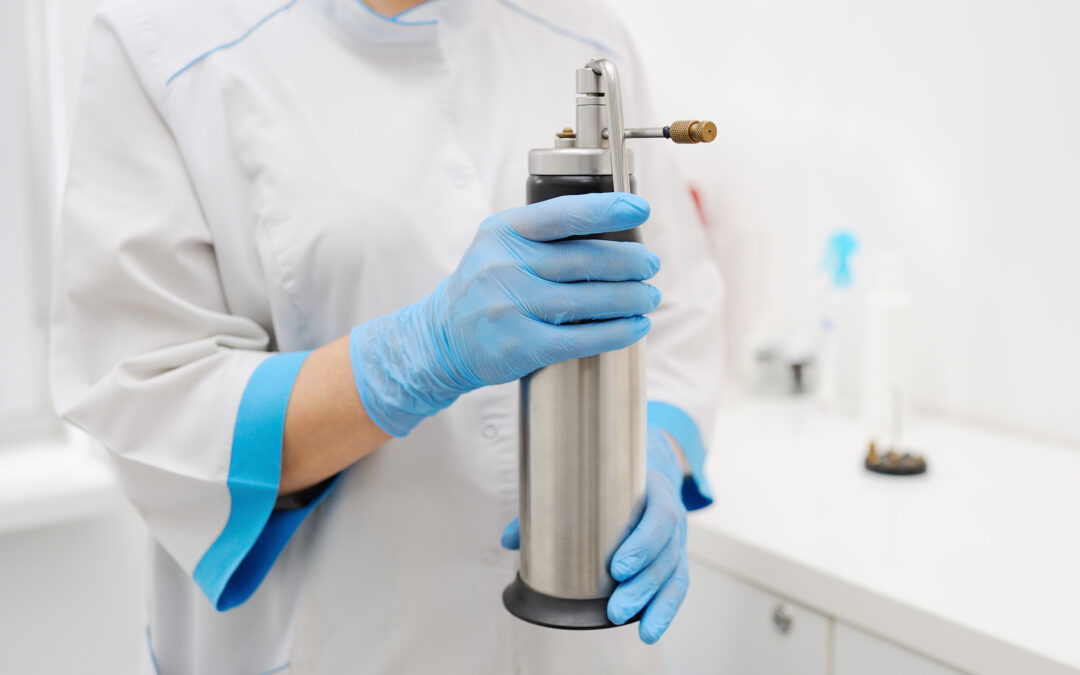
- Cryotherapy (freezing) can destroy wart tissue in controlled sessions.
- Electrocautery uses heat to remove lesions precisely.
- Laser treatment may be used for difficult or widespread cases where precision matters.
Surgical Excision
If a wart is large, resistant, or needs confirmation of diagnosis, a clinician may remove it directly and preserve the sample if needed. This is often a quick procedure performed with local anesthesia.
When patients want a more structured overview of clinical approaches, aftercare expectations, and which methods are generally suited for different presentations, many find it helpful to review PLASTIC SURGERY Genital Warts within the context of treatment planning and recovery decisions.
After Treatment: Healing, Comfort, and What “Normal” Looks Like
Healing depends on the method used, but most people can expect some temporary redness, mild swelling, or sensitivity in the treated area. The most important aftercare goals are:
- keep the area clean and dry (without harsh scrubbing)
- avoid friction and shaving over healing skin
- follow any prescribed topical care exactly
- avoid sexual contact until the skin is healed (to prevent irritation and reduce transmission risk)
One common emotional concern is: “Will it come back?” The honest answer is that recurrence is possible, especially early on—but over time, most people experience fewer outbreaks as the immune system suppresses the virus more effectively.
Prevention: Lowering Risk for You and Your Partner
Prevention is about reducing transmission risk and reducing future outbreaks—not perfection.
HPV Vaccination
The HPV vaccine can protect against the most common wart-causing strains (including 6 and 11) and several high-risk cancer-related strains. It does not treat existing infections, but it can still protect against strains you haven’t encountered yet.
Safer Sex Practices
Condoms reduce risk but do not eliminate it because HPV can affect areas not covered by condoms. Honest communication, symptom awareness, and avoiding sexual contact during visible outbreaks are practical steps.
Immune Support Factors
While no lifestyle change “cures” HPV, immune resilience plays a role in how often the virus reactivates. Sleep, stress reduction, and quitting smoking are particularly relevant because smoking is strongly associated with persistence of HPV in some research contexts.
If you want to build healthier routines that support recovery and confidence after treatment—especially around sleep quality, stress reduction, and sustainable wellness habits—you can explore guidance from live and feel in a lifestyle context that complements medical care.