







Choosing the Right Finish After Sanding: Lacquer or Hardwax-Oil?
The transformation of a timber floor is one of the most rewarding home improvement projects you can undertake. However, the process involves more than just the physical restoration of the boards. At our floor sanding company, we believe that the final finish is what truly defines the character, longevity, and feel of your home.
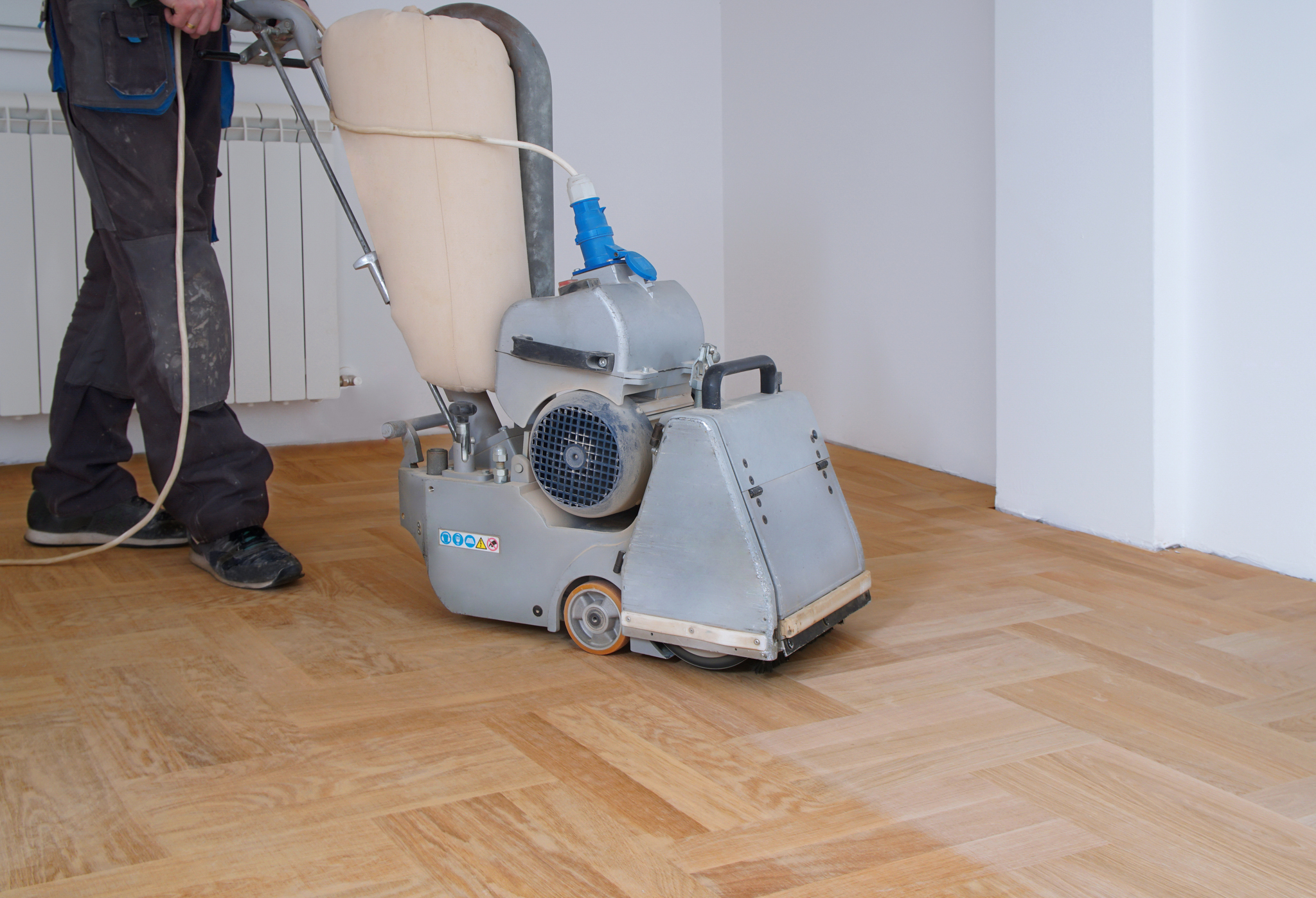
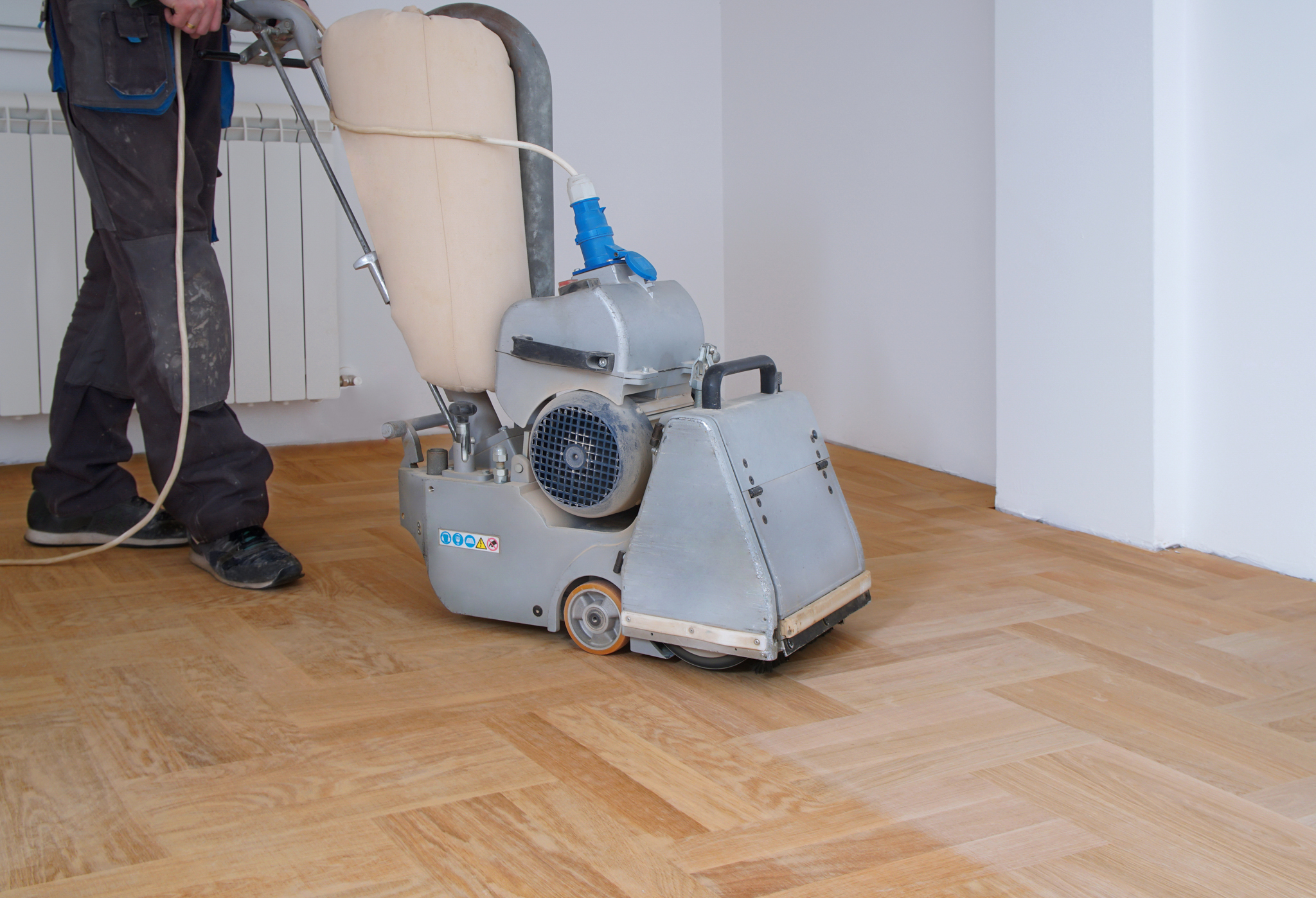
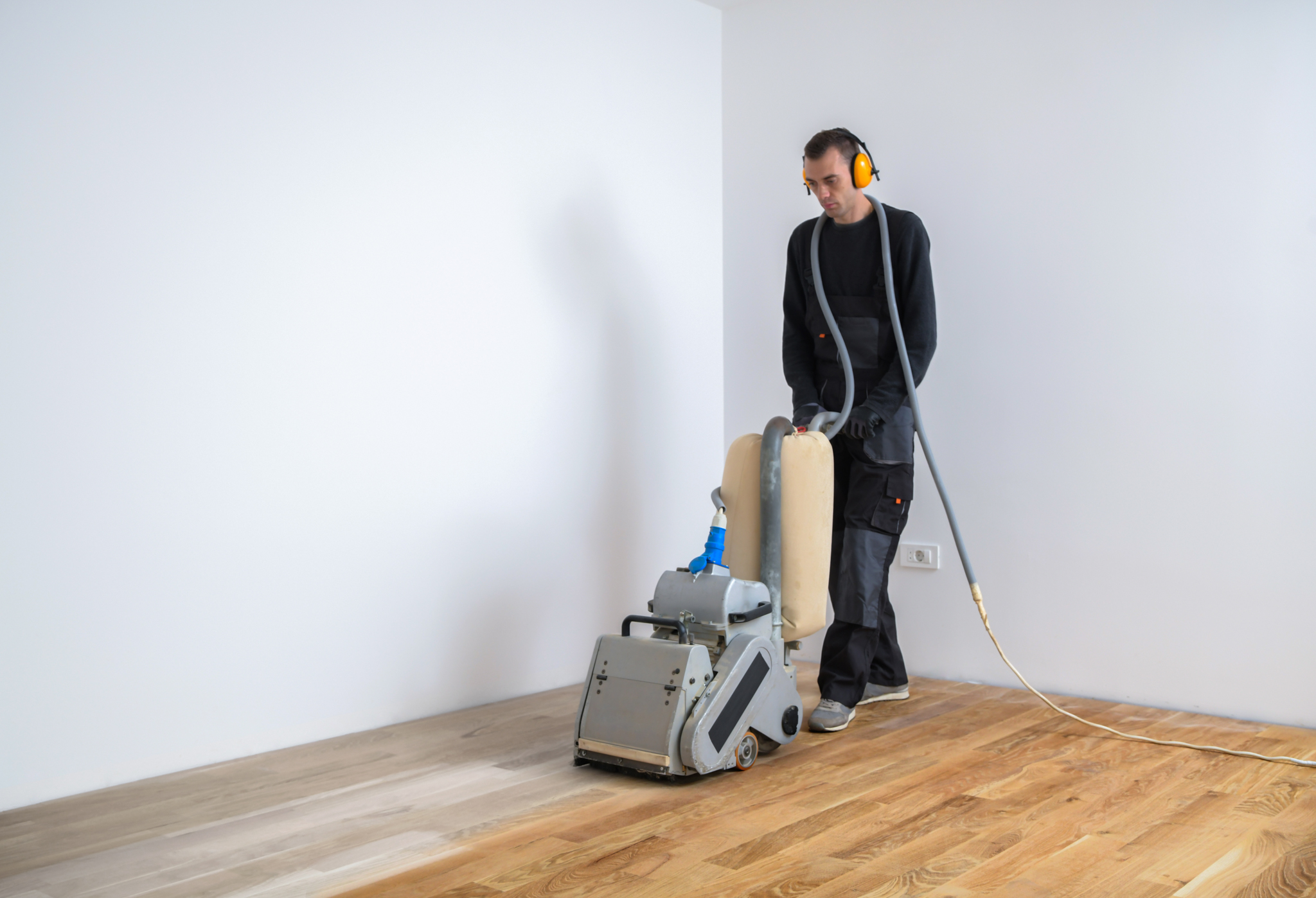
Before the finish can be applied, the foundation must be perfect. This is why we provide a professional dust-free floor sanding service. Using advanced extraction technology, we remove years of wear and tear without leaving your home covered in a fine layer of sawdust. Once your boards are smooth, clean, and bare, you face the ultimate dilemma: Lacquer or Hardwax-Oil?
To help you make an informed decision, we have broken down the pros, cons, and maintenance requirements of these two industry-leading finishes.
Understanding Lacquer: The Modern Powerhouse
Lacquer, often referred to as varnish, is a film-forming finish. It sits on top of the wood, creating a transparent, protective “shell.” In the past, lacquers were known for being “plastic-looking” or yellowing over time, but modern water-based lacquers are incredibly sophisticated, offering a crystal-clear finish that preserves the wood’s natural color.
The Pros of Lacquer
- Ultimate Durability: Lacquer is the toughest finish available. It is highly resistant to chemicals, water, and physical abrasion. If you have a high-traffic hallway or a busy kitchen, lacquer provides the best defense against the “wear paths” that develop over time.
- Water Resistance: Because it seals the wood completely, lacquer is much more forgiving of accidental spills. Whether it’s a knocked-over glass of water or a muddy pet, the liquid stays on the surface rather than soaking into the grain.
- Low Daily Maintenance: For the homeowner who wants a “set it and forget it” solution, lacquer is ideal. It simply requires regular sweeping and a light damp-mopping with a standard wood floor cleaner.
The Cons of Lacquer
- The “All or Nothing” Repair: The biggest drawback to lacquer is that it cannot be easily patch-repaired. If you get a deep gouge or a specific area wears through to the bare wood, you cannot simply paint over that spot. Usually, the entire floor must be buffed or even re-sanded to ensure a seamless look.
- A Slower Process: Applying lacquer often requires multiple coats with significant drying time in between, which can extend the duration of the project compared to some oil-based alternatives.
Understanding Hardwax-Oil: The Natural Choice
Hardwax-oil is a blend of natural oils (like linseed or sunflower oil) and waxes (like carnauba or candelilla). Unlike lacquer, it doesn’t just sit on top; it penetrates deep into the wood fibers, protecting the timber from the inside out while leaving a thin, breathable wax layer on the surface.
The Pros of Hardwax-Oil
- Organic Aesthetic: Hardwax-oil is unmatched if you want a natural, matte look. It enhances the depth and grain of the wood without the reflective sheen of a film-forming finish. It also feels warmer and more “woody” underfoot.
- Spot Repairability: This is the game-changer for many homeowners. If you scratch the floor or a high-traffic area starts to look dull, you can lightly sand that specific section and re-apply a small amount of oil. It blends perfectly with the surrounding floor, meaning you may never need a full professional re-sand again.
- Breathability: Because the oil doesn’t “plasticize” the floor, the wood can breathe and move more naturally with changes in humidity, reducing the risk of the finish cracking or peeling.
The Cons of Hardwax-Oil
- Higher Maintenance: To keep a hardwax-oil floor looking its best, you must use specialized soaps that replenish the oil content. It also requires a “refresh” coat every 18 to 36 months, depending on usage.
- Vulnerability to Standing Water: While it is water-resistant, it is not waterproof. If a spill is left to sit for several hours, it can penetrate the wax layer and leave a stain or a “white spot” on the wood.
Comparison: Durability and Longevity
When comparing durability, it’s important to distinguish between surface hardness and long-term maintainability.
- Lacquer wins on surface hardness. It is harder to scratch and harder to stain. However, once it is scratched, the damage is permanent until the next major renovation.
- Hardwax-Oil is softer and more prone to minor scuffs. However, because you can fix these scuffs yourself in five minutes, the floor often looks better for longer without needing a professional return visit.
Why Our Service Makes the Difference
Choosing a finish is a personal decision that depends on your lifestyle, your aesthetic preferences, and how much time you want to spend on maintenance. As a specialist floor sanding company, we don’t just apply the product; we provide the expertise.
Our dust-free floor sanding service ensures that whichever finish you choose—whether the ultra-tough lacquer or the naturally beautiful hardwax-oil—it will bond perfectly to the wood without any trapped debris or imperfections. We take pride in helping our customers understand these trade-offs so that their investment in their home pays off for decades.
Before we begin the final coating, we can apply samples of both finishes to your freshly sanded floor. This allows you to see how the light in your specific room interacts with the grain, ensuring you are 100% happy with the result. Whether you want the “armor” of lacquer or the “soul” of hardwax-oil, we are here to bring your floors back to life.