








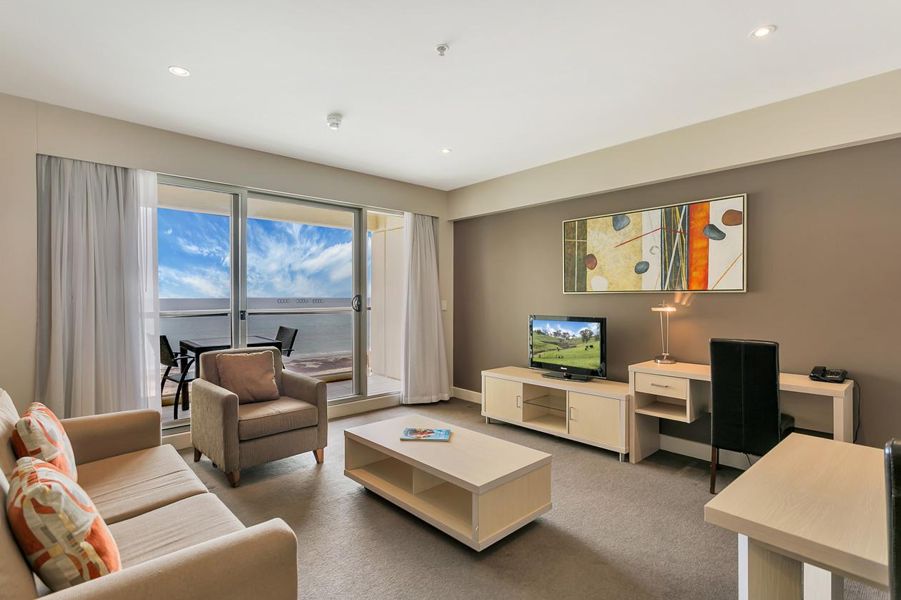
Buying an apartment in Glenelg offers many advantages, including coastal living, convenient amenities, and lower maintenance responsibilities compared with standalone houses. However, apartment ownership also means sharing certain building systems with other residents, including plumbing infrastructure. Unlike houses, where plumbing systems are fully independent, apartment buildings rely on centralised plumbing networks that serve multiple units simultaneously.
Understanding how these shared systems operate is important for apartment owners. Plumbing issues in one unit can sometimes affect several others, and identifying the root cause often requires looking beyond a single apartment. Knowing how the building’s plumbing works helps owners respond more quickly when problems occur and ensures issues are addressed appropriately.
How Shared Plumbing Systems Work
Most apartment buildings operate on a vertical plumbing design. This means water supply and drainage pipes run through the building in large vertical pipes known as stacks. These stacks distribute water to each apartment and carry wastewater down to the main sewer connection.
Each apartment connects to these shared stacks through smaller branch pipes. When you turn on a tap, flush a toilet, or use a washing machine, water flows through your unit’s branch pipes into the main building plumbing system.
Because multiple units rely on the same infrastructure, plumbing activity from different apartments can interact within the same system. For example, wastewater from higher floors travels down the same drainage stacks that serve apartments below. As a result, blockages or pipe damage within these shared sections can impact several units at once.
Water supply systems also operate collectively. Pressure regulators and pumps are often used to distribute water evenly across floors. When these systems experience faults or imbalances, residents may notice pressure fluctuations throughout the building.
Common Problems in Apartment Plumbing
Shared plumbing systems can experience a range of issues, particularly in older buildings or those with ageing infrastructure. Because multiple units rely on the same pipes, problems can sometimes spread across several floors before they are detected.
Drain blockages are one of the most common issues. Waste, grease, hair, and foreign objects entering the drainage system from different apartments can accumulate within shared pipes. Over time, this buildup restricts water flow and can lead to slow drains, unpleasant odours, or even wastewater backing up into lower-level units.
Blocked or poorly maintained drains can also create damp environments that attract pests such as cockroaches, rodents, and insects. When this happens, many residents begin searching for pest control near me to address infestations that may be linked to shared plumbing and drainage systems.
Water pressure fluctuations are another frequent concern. In apartment buildings, pressure is carefully balanced to ensure all floors receive an adequate supply. Faulty pressure regulators, ageing pipes, or pump issues can cause sudden changes in water pressure, affecting showers, taps, and appliances across the building.
Pipe deterioration can also develop over time. Older buildings may contain pipes made from materials that corrode, weaken, or crack with age. When this happens within shared plumbing stacks, leaks may occur inside walls or service shafts, potentially affecting multiple apartments before the problem becomes visible.
Why Plumbing Issues Often Affect Multiple Units
Because plumbing systems in apartment buildings are interconnected, issues rarely remain isolated to a single unit. A blockage several floors above may cause drainage problems below. Similarly, a leak within a shared pipe can affect ceilings, walls, or plumbing performance in neighbouring apartments.
This interconnected design means diagnosing problems often requires examining the broader plumbing system rather than focusing on one apartment alone. Building managers or strata committees are typically involved in coordinating inspections and repairs when shared pipes are suspected to be the source of the issue.
Understanding this shared responsibility helps apartment owners avoid confusion about where a plumbing fault originates and how repairs are managed.
The Role of Professional Plumbing Inspections
When plumbing problems arise in apartment buildings, professional inspection is essential to determine whether the issue is within a private unit or part of the building’s shared system.
A qualified Plumber Glenelg can assess plumbing infrastructure using specialised tools such as pipe cameras and pressure testing equipment. These inspections help identify blockages, leaks, and deterioration inside shared pipes without unnecessary disruption to the building.
Professional assessments are particularly valuable because they identify the root cause rather than just treating symptoms. By locating the exact source of a plumbing issue, technicians can recommend the correct repair strategy and prevent recurring problems that affect multiple apartments.
Conclusion
Apartment living in Glenelg offers convenience and lifestyle benefits, but it also comes with shared infrastructure responsibilities. Plumbing systems in apartment buildings are interconnected, meaning issues in one area can sometimes affect several units at once.
Understanding how shared plumbing stacks operate, recognising common warning signs, and responding quickly to potential problems helps protect both individual apartments and the wider building. When issues arise, professional inspection ensures the underlying cause is identified and addressed properly.
Being informed about how your building’s plumbing works allows apartment owners to respond quickly, minimise disruption, and maintain the long-term reliability of shared systems.